

If you’re looking for a naturally gluten-free, high-protein alternative to traditional bread, this chickpea flatbread recipe is a must-try. In this post, I’ll share not only my go to method but also the story of how I started making this simple, hearty flatbread in my kitchen. Whether you’re whipping up lunch, a snack, or a savory base for other meals, you’ll love how quick and nourishing this dish is.
From choosing the right chickpea flour to making sure your flatbread doesn’t crumble apart, we’ll cover everything you need to know. Plus, we’ll answer common questions like how to make it without an oven and what substitutes work best.
Let’s begin with the story and essential background behind this humble and versatile recipe.
Affiliate Disclosure: This post contains affiliate links. I only recommend products I personally use and trust in my kitchen.
Table of Contents
The Comfort of Homemade Chickpea Flatbread
A Taste of Home in a New Place
When I first moved to the United States, I missed a lot of things family dinners, familiar smells, and those simple, comforting flatbreads we’d have with just about everything. One day, while experimenting with ingredients I could find locally, I came across chickpea flour, also known as gram flour or besan. It reminded me of home. With just water, a pinch of salt, and a hot skillet, I created something that brought all those memories back: chickpea flatbread.
I didn’t expect it to become such a regular in my kitchen, but it’s honestly one of the most useful and forgiving recipes I’ve made. It’s naturally gluten-free, protein-packed, and easy to adapt whether I’m pairing it with my spicy jalapeño chickpea bowl or using it as a scoop for Mediterranean chickpea and bean salad.
Why Chickpea Flatbread Belongs in Your Kitchen
Chickpea flatbread isn’t just about nostalgia it’s also a smart recipe. For anyone trying to eat cleaner or reduce refined grains, this flatbread is a revelation. It fits into gluten-free diets, vegan meals, and even protein-conscious plans. And it uses ingredients you likely already have in your pantry.
You can cook it in a skillet, bake it in the oven, or even crisp it under the broiler for a pizza-like base. Whether you’re dipping it into soups or topping it with roasted veggies, this flatbread adapts to your needs. And thanks to its nutty flavor, it doesn’t need much seasoning to shine.
In the sections ahead, we’ll walk through exactly how to make it, explore variations like chickpea flour flatbread and oven-baked styles, and help you troubleshoot common issues like what to do if your flatbread crumbles or sticks to the pan.
How to Make Chickpea Flatbread the Easy Way
Simple Pantry Ingredients With Power
Making chickpea flour flatbread is one of the simplest, most rewarding recipes you can keep in your weekly rotation. You’ll only need a few ingredients most of which are likely already in your pantry. Here’s what you’ll need:
- 1 cup chickpea flour , I use this organic chickpea flour
- 1 cup water
- ½ teaspoon salt
- 1 tablespoon olive oil, plus extra for cooking, I use this extra virgin olive oil
- Optional add-ins: cumin, turmeric, garlic powder, smoked paprika, or chopped herbs like cilantro or parsley
In a medium mixing bowl, whisk everything together until the batter is completely smooth no lumps. The ideal consistency should be pourable, like a thin pancake batter. Let the mixture rest for 10–15 minutes; this helps soften the chickpea flour and remove any bitterness from the raw flavor.
For a subtle kick and warming flavor, I like to mix in a pinch of cumin or smoked paprika especially when serving it alongside something like our spicy jalapeño chickpea bowl. If you’re planning to serve it as a wrap or pizza base, chopped fresh rosemary adds a beautiful herby note.
Affiliate Tip:
I recommend using a sturdy balloon whisk to keep the batter lump-free and airy.
Choose Your Cooking Method: Skillet or Oven
The classic method for chickpea flatbread is the stovetop. Heat a non-stick skillet or cast iron pan over medium heat and brush lightly with oil. Once hot, pour in about ½ cup of the batter and gently swirl it around the pan to form a circle.
Cook for 2–3 minutes, until the underside is golden brown and the top begins to firm up. Flip with a spatula and cook the second side for 1–2 more minutes. The flatbread should have crisp edges and a soft, foldable center.
Prefer a thicker version? Pour the batter into a greased baking dish or cast iron skillet and bake at 425°F for 18–20 minutes. This method, known in French cuisine as socca, results in a thicker, rustic flatbread with a tender bite and golden crust.
Affiliate Tip:
I use this reliable 10-inch cast iron skillet for perfect even heat and crispy edges.
It’s incredibly versatile too you can top it with roasted vegetables, hummus, or even a spread of cottage cheese like in our cottage cheese taco bowl for a protein-rich meal.
Whether you bake it or pan-fry it, you’ll have a nourishing flatbread ready in minutes, made entirely from real ingredients.
Chickpea Flatbread Recipe Variations and Serving Ideas
Add Bold Flavor With Simple Twists
Once you’ve nailed the basic chickpea flour flatbread recipe, it becomes a blank canvas for flavor. Because chickpea flour has a mild, nutty taste, it plays well with both bold spices and subtle herbs.
Here are some of my favorite variations:
- Add ½ tsp of smoked paprika for depth
- Stir in chopped garlic or 1 tsp garlic powder
- Try fresh rosemary or thyme for an herby twist
- Mix in ground cumin or turmeric for a warming, golden tone
- Use nutritional yeast or a tablespoon of grated parmesan for a savory edge
For a spicy kick, add finely chopped jalapeños directly into the batter it pairs beautifully with a side of our beetroot lentil salad for a bold, colorful lunch plate.
Affiliate Tip:
I finely chop herbs and spices using this compact mini food processor it saves time and gives consistent flavor throughout the batter.
You can also play with the thickness. Want it soft and flexible like a wrap? Use a bit more water. Prefer it sturdy and scoopable? Make the batter slightly thicker and bake it instead.
Creative Ways to Serve Chickpea Flatbread
This flatbread is versatile enough to serve with breakfast, lunch, or dinner. Here are some creative serving ideas:
- Wrap it around sautéed veggies and tahini sauce for a vegan lunch
- Top it with cottage cheese, sliced tomatoes, and herbs for a high-protein breakfast similar to our cottage cheese flatbread
- Cut into wedges and serve with hummus or baba ghanoush as a snack board base
- Use as a side with soups or stews instead of regular bread
- Make mini pizzas: top with tomato paste, cheese, and veggies, then broil until melted
Because the flatbread holds its shape well, it also works great for meal prep. I often pack it in lunchboxes with a dip and salad like our cucumber chickpea feta salad for a refreshing, no-reheat meal.
Affiliate Tip:
I store leftover flatbreads in these BPA-free silicone bags they keep everything fresh without plastic waste.
Whether you serve it crisp or soft, savory or spicy, chickpea flatbread adapts to every table and taste.

Storage Tips, and Troubleshooting
How to Store and Reheat Chickpea Flatbread
One of the best things about chickpea flatbread recipes is how well they store. Whether you’re meal prepping or saving leftovers, you have options.
If you’re storing uncooked batter, pour it into an airtight container and refrigerate. It keeps well for up to 3 days. Before using, give it a good stir chickpea flour settles quickly.
For cooked flatbread, let it cool completely, then stack with parchment paper between each piece. Store in an airtight container in the fridge for up to 5 days. Reheat on a dry skillet for 1–2 minutes per side to bring back the texture.
Affiliate Tip:
I use these glass meal prep containers to store my flatbreads they keep everything fresh and stack neatly.
You can also freeze them for longer storage. Wrap each piece in parchment and store in a freezer bag. Reheat in a pan straight from frozen no thawing needed.
Troubleshooting: Fixing Common Flatbread Issues
Why is my chickpea flatbread falling apart?
If it’s breaking, it likely needs more water, more oil, or a longer rest time. Let the batter sit at least 15 minutes so the flour fully hydrates. Don’t skip the oil it’s what makes the flatbread pliable and prevents cracking.
Why is it sticking to the pan?
This usually happens if the pan isn’t hot enough or doesn’t have enough oil. Always preheat your skillet and brush it with oil between batches.
Why does it taste bitter?
Chickpea flour can have a slightly bitter raw flavor if undercooked. Be sure to cook the flatbread fully on both sides until golden. Adding spices like cumin or turmeric can also help balance the flavor.
Looking for a lighter texture? Try our cloud bread recipe for a completely different gluten-free base.
Frequently Asked Questions
Is chickpea flatbread gluten-free?
Yes, chickpea flour is naturally gluten-free, making this recipe ideal for anyone avoiding wheat. Just double-check that your flour is labeled gluten-free if you’re cooking for someone with celiac disease.
What can I use instead of chickpea flour for flatbread?
You can try oat flour, lentil flour, or buckwheat flour, though textures will vary. Each flour absorbs liquid differently, so adjust water levels as needed.
Can I make chickpea flatbread without an oven?
Absolutely. In fact, the stovetop method is quicker and more common. Use a skillet to cook each side until golden, and you’re done in minutes.
How do I stop my chickpea flatbread from falling apart?
Let the batter rest before cooking, use enough oil, and make sure the skillet is hot. These steps ensure the batter holds together and cooks evenly.
Final Thoughts
Whether you’re new to gluten-free baking or just looking for a fast, nutritious base for your meals, this chickpea flatbread recipe has you covered. It’s flexible, fast, and deeply satisfying. With just a few ingredients, you’ll have something you can wrap, dip, fold, or top all in under 20 minutes.
Chickpea flour isn’t just flavorful it’s packed with plant-based protein, fiber, and iron. According to the USDA FoodData Central, one cup of chickpea flour contains about 20 grams of protein and 10 grams of dietary fiber, making it a nutrient-dense alternative to wheat-based breads.
Serve this flatbread alongside fresh dishes like our beetroot lentil salad or a cooling cucumber chickpea feta salad. If you’re curious about the full nutrition breakdown of the other ingredients, check out the official USDA Nutrient Database for science-backed info on chickpeas, olive oil, and more.
However you use it, chickpea flatbread brings flavor, texture, and comfort to the table every time.
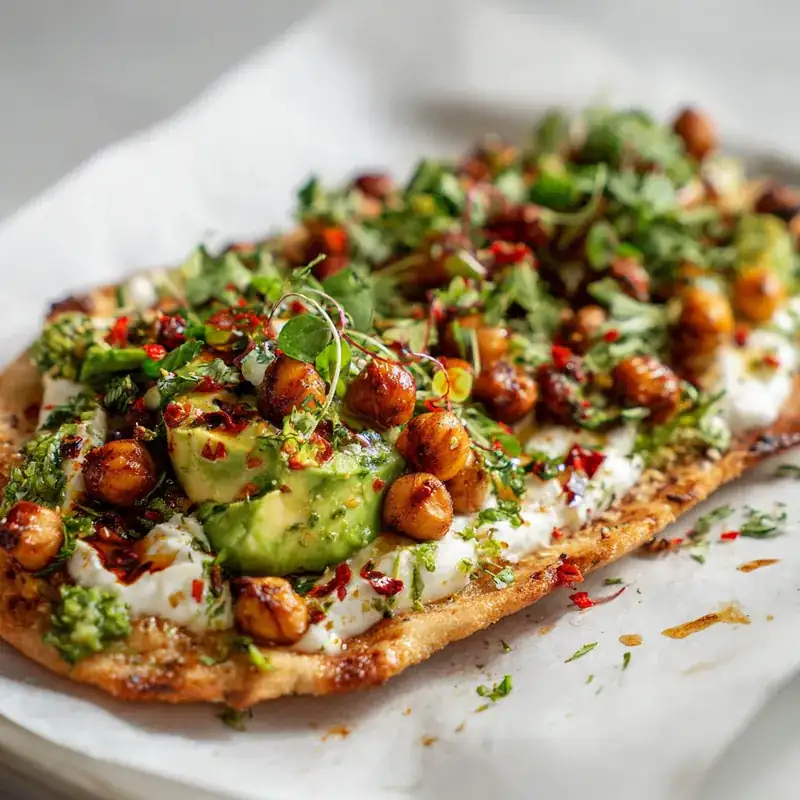

Chickpea Flatbread – Easy High-Protein Gluten-Free Base
Ingredients
Equipment
Method
- In a medium mixing bowl, whisk together chickpea flour, water, salt, and olive oil. Add optional spices or herbs if desired. Whisk until smooth and lump-free.
- Let the batter rest for 10–15 minutes to hydrate the flour and mellow any bitterness.
- Heat a non-stick or cast iron skillet over medium heat. Brush with olive oil. Once hot, pour in about 1/2 cup of batter and swirl gently to form a circle.
- Cook for 2–3 minutes until edges crisp and the underside is golden. Flip and cook 1–2 minutes more until fully cooked.
- For a thicker version, pour all batter into a greased baking dish or skillet and bake at 425°F for 18–20 minutes until set and golden. Slice and serve.
- Serve warm with dips, use as a wrap, or top like a mini pizza. Store leftovers in fridge or freeze for later use.